Project Title: Sundarbans Biodiversity Conservation Program
Project Overview
The Sundarbans, the world’s largest mangrove forest, is a globally significant ecosystem and a UNESCO World Heritage Site. Located in the southwest of Bangladesh, it spans approximately 6,017 square kilometers and includes three designated wildlife sanctuaries. The Sundarbans supports exceptional biological diversity and provides critical ecosystem services, including coastal protection and livelihoods for millions of people.
The Sundarbans Biodiversity Conservation Program was initiated by SESDO in Shyamnagar Upazila of Satkhira District, an area adjacent to the Sundarbans. A large portion of the local population depends on forest resources for subsistence, including fuelwood and other natural products. Unsustainable extraction practices have placed increasing pressure on forest resources, threatening biodiversity and ecological balance.
Recognizing these challenges, SESDO is committed to conserving the Sundarbans through community engagement, awareness building, and sustainable livelihood interventions to reduce dependency on forest exploitation.
Project Location
| Country | District | Upazila | Union | Village |
| Bangladesh | Satkhira | Shyamnagar | Gabura | Gabura |
Significance of the Project
The Sundarbans Reserve Forest, covering nearly 6,000 square kilometers, is the largest remaining contiguous mangrove forest in the world. It is home to globally important wildlife species, including the Bengal tiger, and supports rich biodiversity across terrestrial and aquatic ecosystems.
Beyond biodiversity conservation, the Sundarbans provides natural protection against cyclones and storm surges and sustains the livelihoods of approximately 3.5 million people across 17 coastal subdistricts. However, pollution, climate change, and unsustainable resource extraction are rapidly degrading this unique ecosystem.
This project plays a critical role in protecting environmental integrity, conserving wildlife habitats, and promoting sustainable coexistence between people and nature in one of the world’s most climate-vulnerable regions.
Principal Actions
The program focuses on the long-term and sustainable conservation of the Sundarbans’ biological diversity through the following actions:
- Promotion of alternative income-generating activities, including nursery development, homestead and roadside plantation, small trade, poultry and livestock rearing, fisheries, and sustainable agriculture
- Creation of alternative livelihood options for forest-dependent communities to reduce pressure on the Sundarbans Reserve Forest
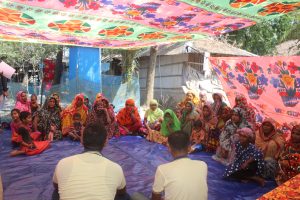
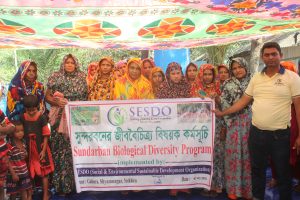
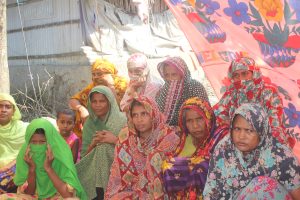
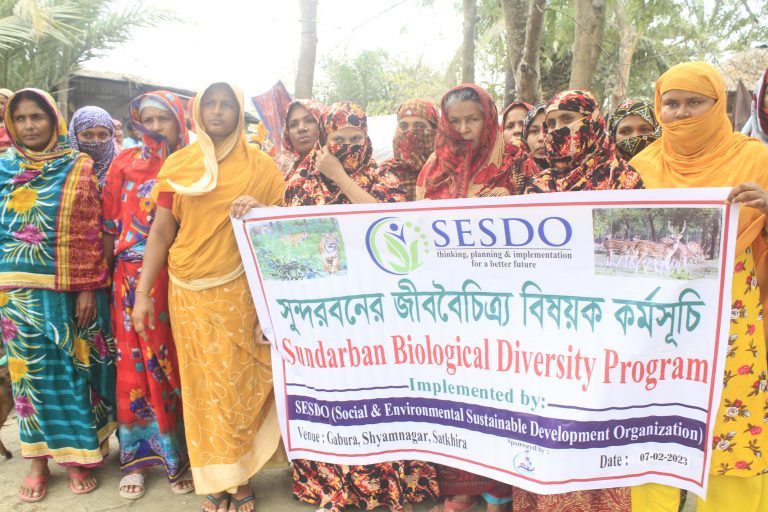
- Formation of community groups and implementation of awareness-raising activities through workshops, meetings, and field discussions
- Tree plantation and habitat restoration to support biodiversity conservation and ecological resilience