Rural & Livelihoods

Climate Change Adaptation & Mitigation Strategies

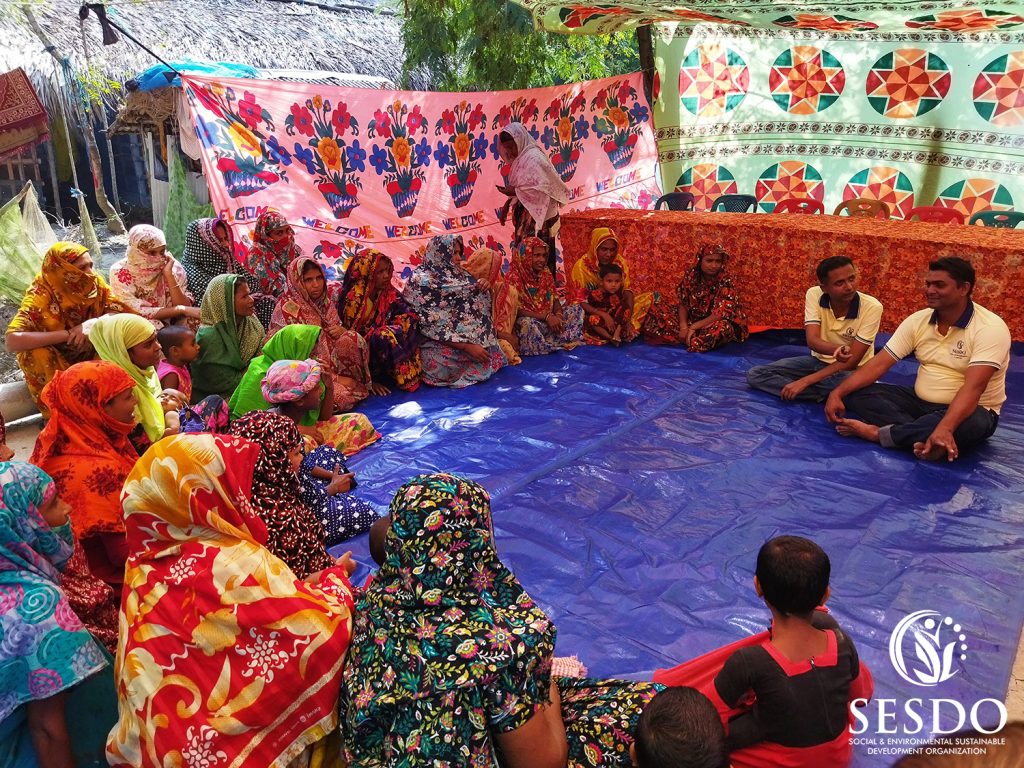
Project Name: Climate Change Adaptation & Mitigation.   Project Duration: The project has been launched since 2022, and it is now running very well at its own pace.   Project Preface Bangladesh is one of the nations that is impacted by the climate, and at the moment, the country is very concerned about the issue. […]

Climate Change Adaptation & Mitigation Strategies Read More »
The door of the Sundarbans is closed for 92 days, forest dwellers are returning with concern!

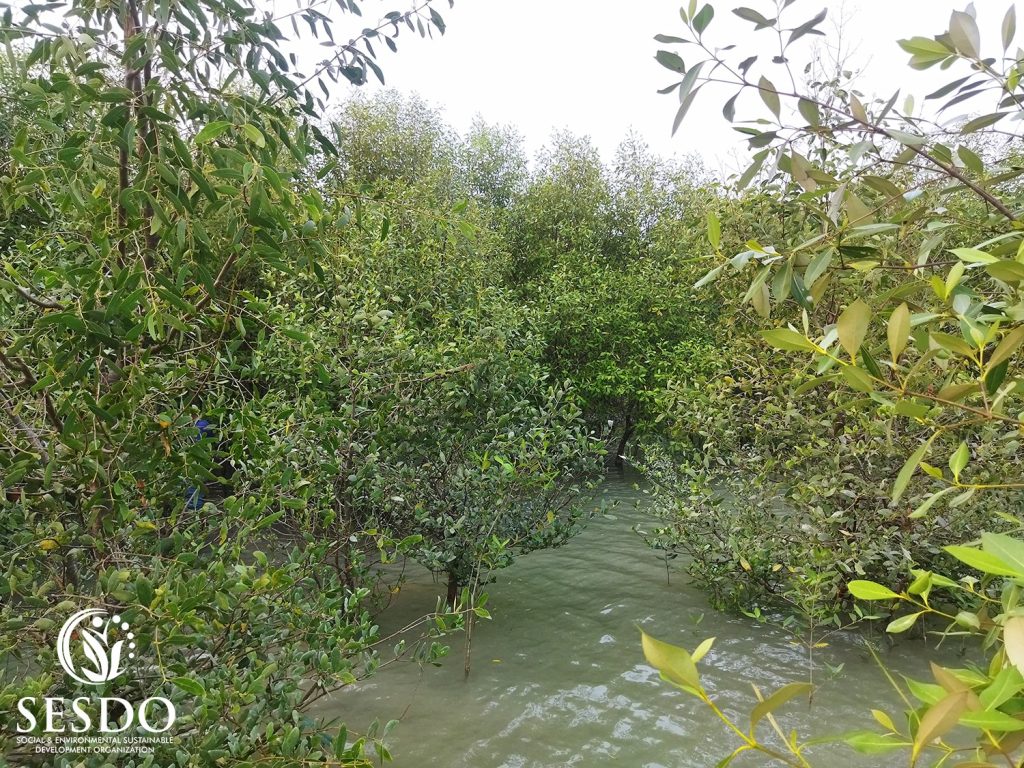
The door of the Sundarbans is closed for 92 days, forest dwellers are returning with concern!   The gates of the Sundarbans will be closed for three months from June 1 to protect the migration and breeding of wild animals and fish in the rivers and canals. During this time, the entry of tourists, the

The door of the Sundarbans is closed for 92 days, forest dwellers are returning with concern! Read More »

Our Initiative – Fighting Climate Change

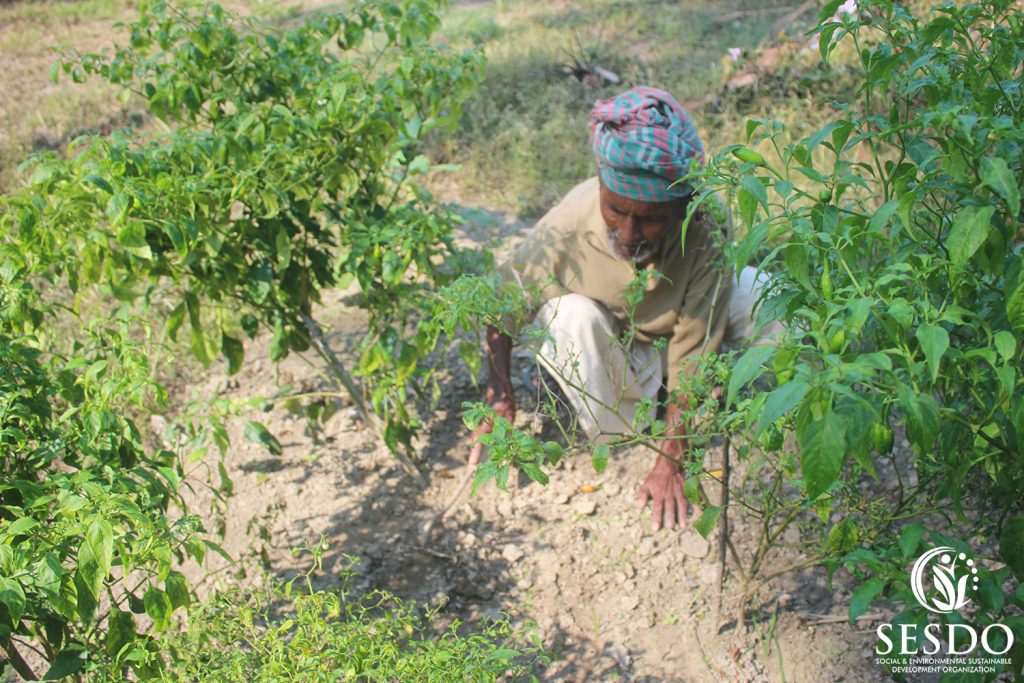
“Our Initiative – Fighting Climate Change” To secure a sustainable future for agriculture and food systems that supports farmers and other agriculture stakeholders to build capabilities to mitigate the effects of climate change. “Supporting Small-Scale Farmers to Ensure Food Security, Livelihoods and Agrobiodiversity” We need to protect plants for people & planet. Healthy plants can

Our Initiative – Fighting Climate Change Read More »

Bangladesh tops South Asia in child marriage: UNFPA

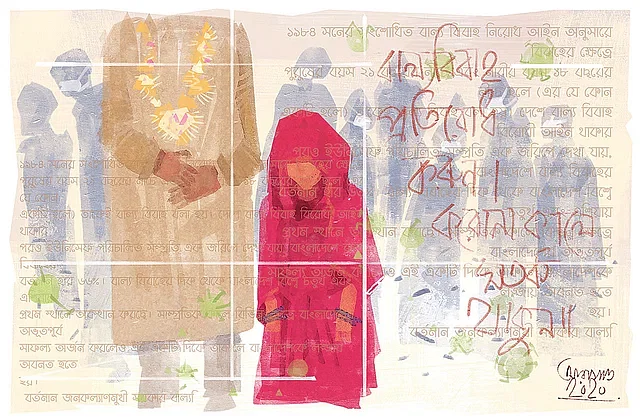
51% of girls in Bangladesh are married before they turn 18: UNFPA According to the State of World Population 2023, Bangladesh’s total population is 17.30 crore while the world population is 8.05 billion. Bangladesh continues to have the highest rate of child marriage in Asia as 51% of girls in the country are married off

Bangladesh tops South Asia in child marriage: UNFPA Read More »

Climate Change and Bangladesh

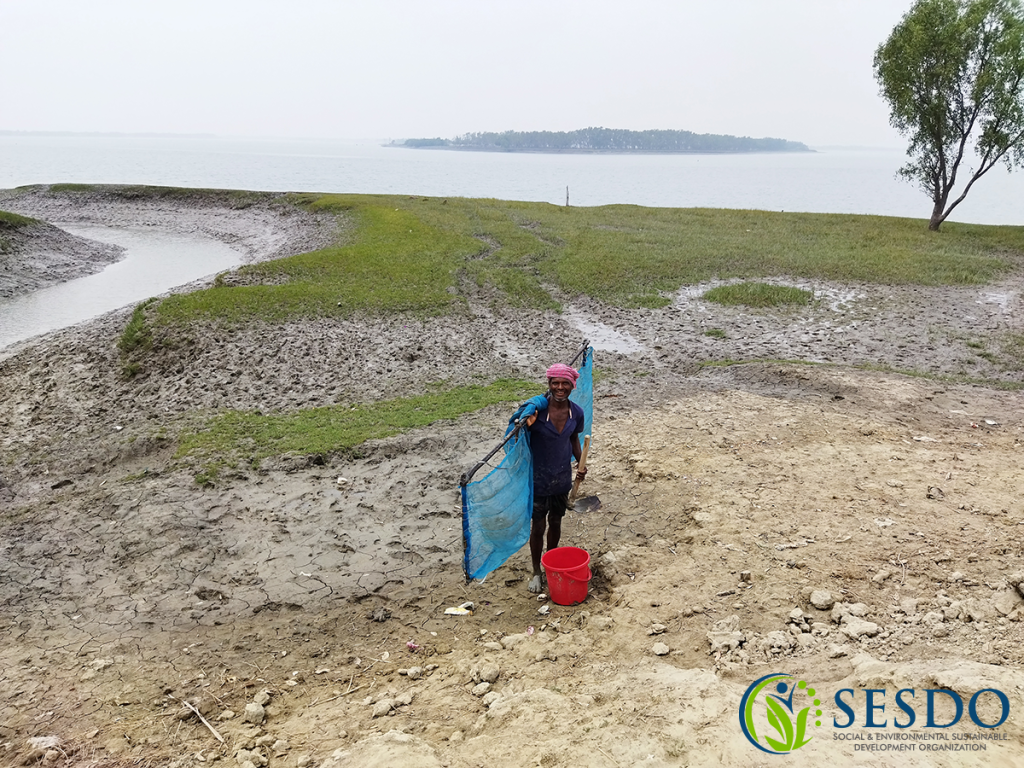
110 million people in Bangladesh live near rivers or water bodies. Still 70 percent of people in Bangladesh live in rural areas. 50 percent of the country’s working population earns its livelihood from agriculture. 1.5 million people are involved in harvesting fish from inland rivers, lakes and seas. Fisheries contribute 3.8 percent to the economy

Climate Change and Bangladesh Read More »

Rising Seas and Shrinking Shores: The Devastating Impact of Climate Change on Bangladesh’s Coastal Communities

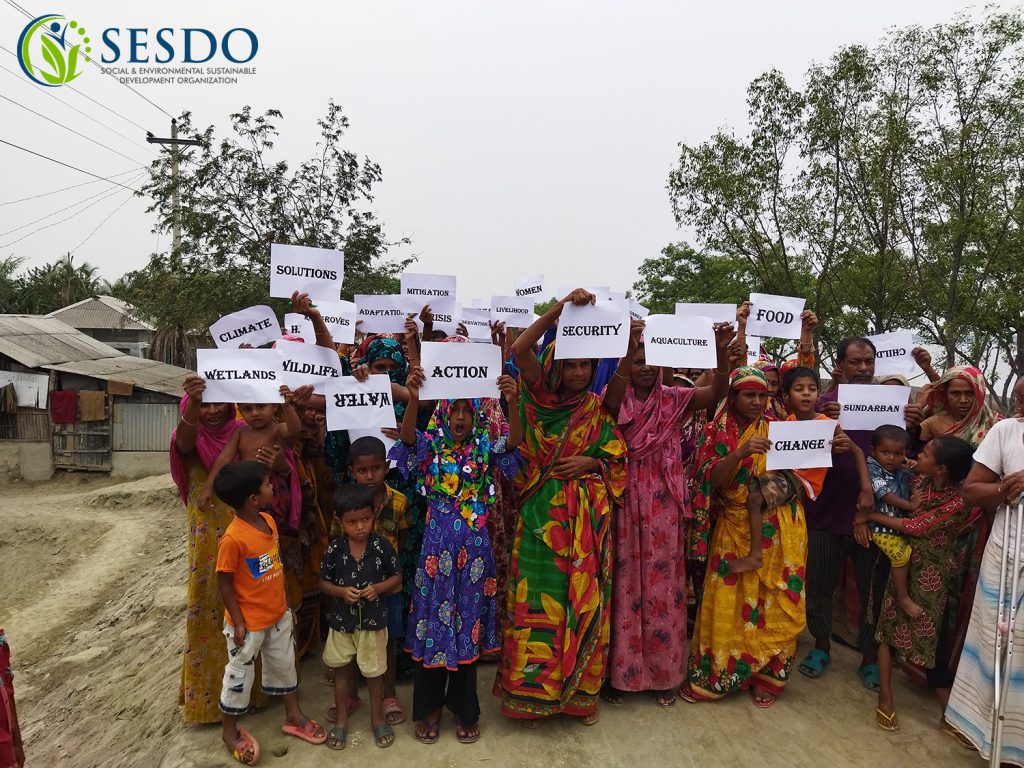
“Rising Seas and Shrinking Shores: The Devastating Impact of Climate Change on Bangladesh’s Coastal Communities” Bangladesh is one of the most vulnerable countries to the effects of climate change, and its coastal communities are among the hardest hit. Rising sea levels and increased frequency of severe weather events have had devastating consequences for these communities,

Rising Seas and Shrinking Shores: The Devastating Impact of Climate Change on Bangladesh’s Coastal Communities Read More »

Salt-affected soils are a global issue

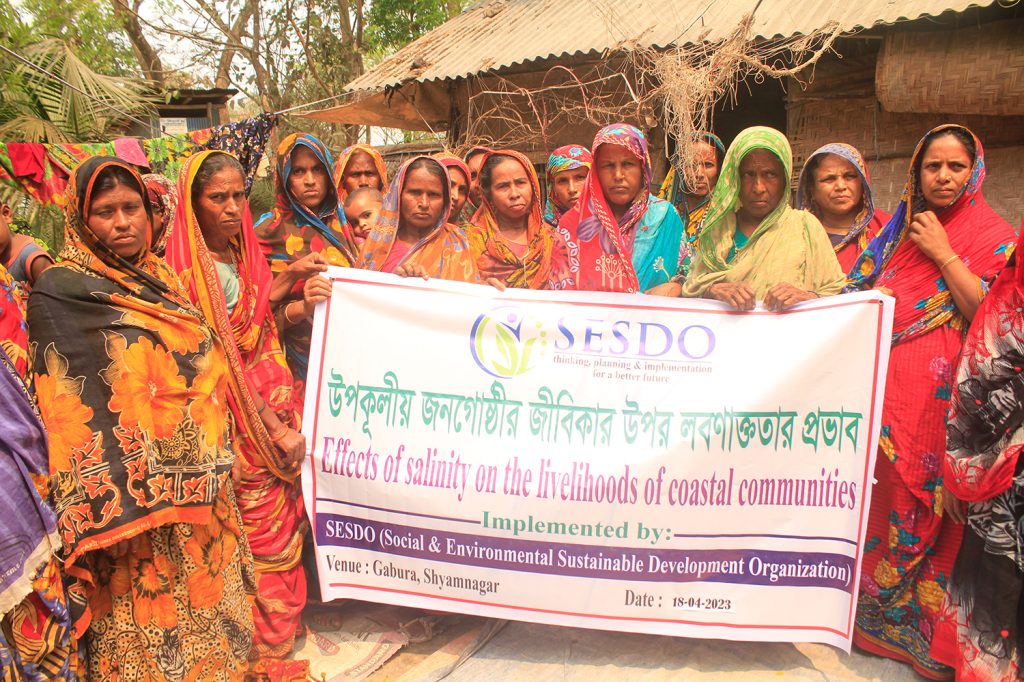
“Salt-affected soils are a global issue” Climate change impacts food security in two ways. ‘Climate shocks’: Which cause widespread losses and damages to food systems. ‘Climate stresses’: Such as rising salinity in soil water, rising incidents of pests & diseases, or growing heat stress. Bangladesh also needs to focus on the damages being incurred by

Salt-affected soils are a global issue Read More »

The Importance of Wetlands, Aquaculture, and the Mangrove Forests

Aquaculture has the potential to generate multiple benefits for communities.  Supporting fish harvesting groups not only increases fish farmers’ income but also the consumption of nutrient-rich fish. Wetland habitats support a rich diversity of life, but 35% of the world’s wetlands have disappeared in the last 50 years. Wetland restoration not only increases biodiversity but

The Importance of Wetlands, Aquaculture, and the Mangrove Forests Read More »

Supporting Small-Scale Farmers to Ensure Food Security, Livelihoods and Agrobiodiversity

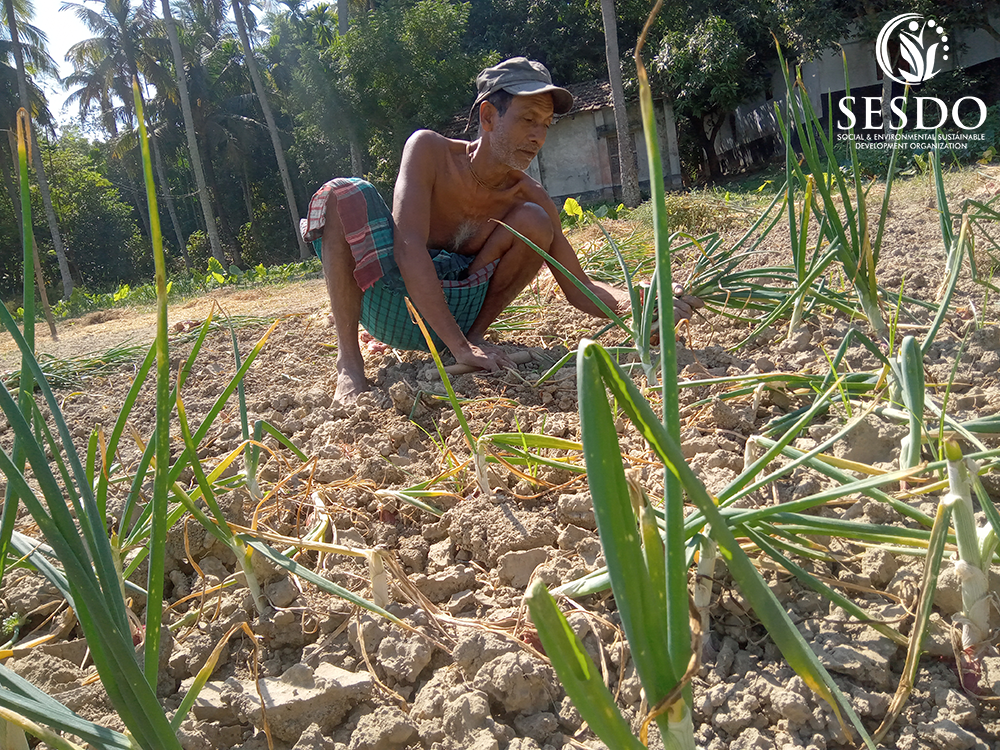
“Supporting Small-Scale Farmers to Ensure Food Security, Livelihoods and Agrobiodiversity” We need to protect plants for people & planet. Healthy plants can help to: end hunger, reduce poverty, protect the environment, boost economic development, protect nature, environmental sustainability, ecological balance and food security. Small-Scale farmers grow 1/3 of the world’s food and produce 30-34% of

Supporting Small-Scale Farmers to Ensure Food Security, Livelihoods and Agrobiodiversity Read More »

To Help Rural Women Reduce Poverty

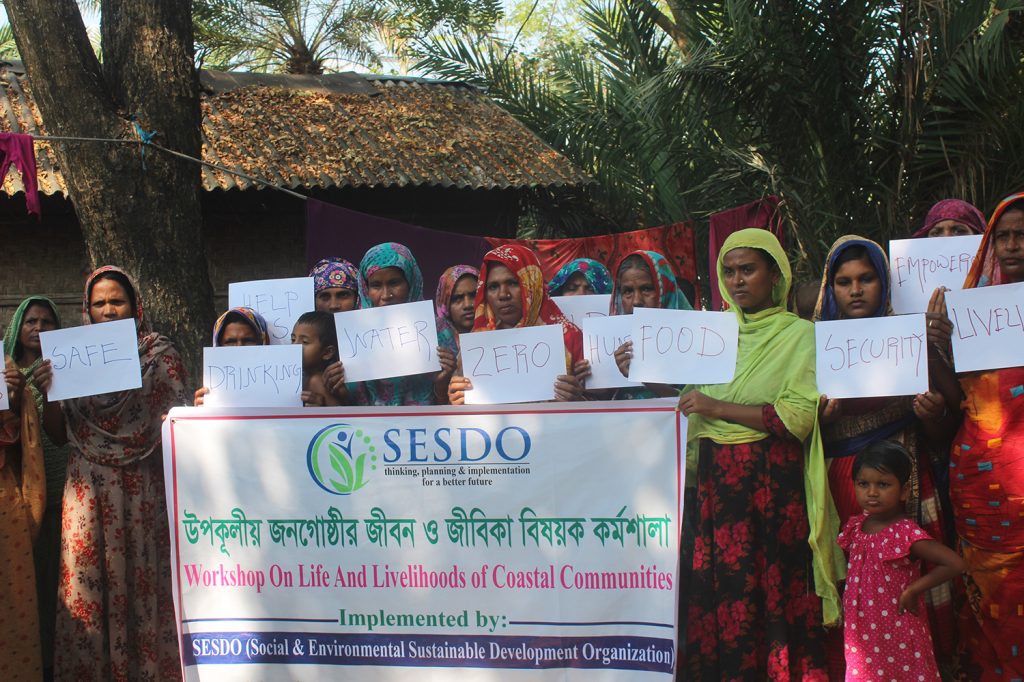
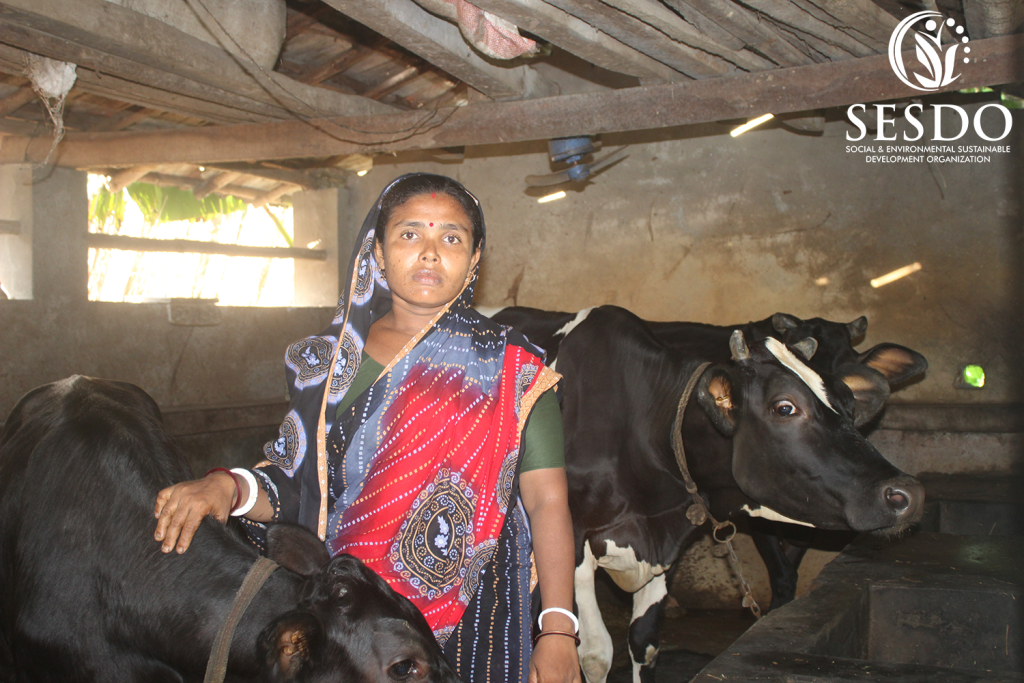
“To Help Rural Women Reduce Poverty” Women’s empowerment actually refers to the growth of women’s identity, safety, individuality, freedom of choice, etc. on a material and intellectual level. In other words, if a woman has the freedom to make her own decisions and can act safely in her own way or at work, that environment

To Help Rural Women Reduce Poverty Read More »

Scroll to Top