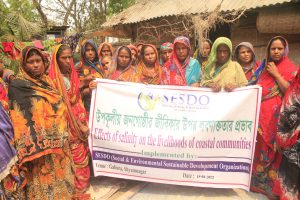
Project Title: Effects of Salinity on the Livelihoods of Coastal Communities
Project Overview
Salinity intrusion is one of the most serious climate change–induced challenges affecting coastal communities worldwide. Climate change impacts food security through sudden climate shocks such as floods, cyclones, and storm surges, as well as long-term climate stresses including rising soil and water salinity, increased pests and diseases, and growing heat stress. Together, these impacts gradually weaken agriculture, livelihoods, and human well-being.
In Bangladesh, frequent floods, cyclones, sea-level rise, and saltwater intrusion are increasingly damaging the health, food security, and livelihoods of millions of people. Rising salinity is becoming a silent but severe threat in coastal areas.
Problem Context
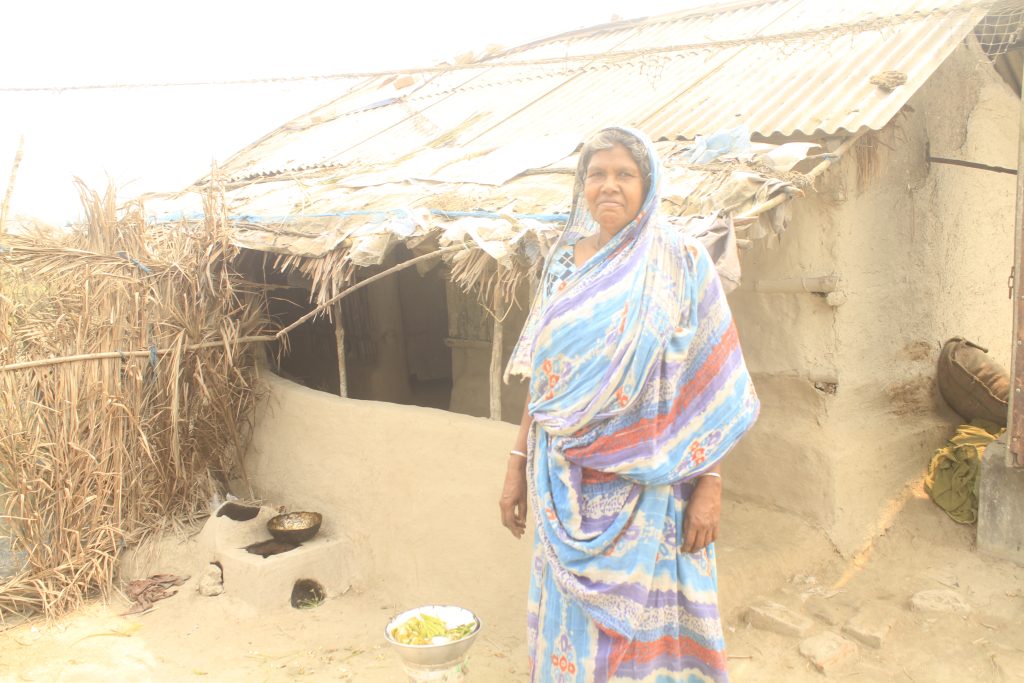
Bangladesh’s low-lying coastal geography makes it highly vulnerable to saltwater encroachment. Saline water is moving further inland due to rising sea levels and frequent storms, contaminating soil and freshwater sources. The coastal zone covers 32% of the country and is home to nearly 35 million people who depend largely on agriculture and natural resources for survival.
Impacts of Salinity
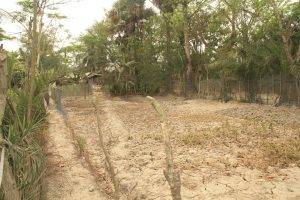
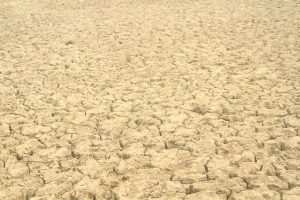
Drinking saline water increases health risks such as heart disease, diarrhea, and abdominal pain. Salinity intrusion is a major driver of climate-induced migration from coastal areas to cities. High soil salinity makes crop cultivation extremely difficult, reducing food production and household income. Productive land loss threatens food security and deepens poverty, while Bangladesh’s coastal position further increases salinity risk.
Project Significance
Salinity is a slow-onset disaster that steadily destroys livelihoods, agriculture, and community resilience. Without targeted adaptation measures, coastal communities face long-term displacement, declining health, and economic insecurity. Addressing salinity is therefore essential for climate adaptation, food security, and sustainable development.
Project Objectives
The project aims to raise awareness about salinity intrusion and its impacts on livelihoods and food security, assess the effects of soil and water salinity on coastal communities, promote salinity-tolerant and climate-resilient livelihood options, support community adaptation, and contribute to policy dialogue on coastal climate resilience.
Expected Impact
The project will increase community awareness of salinity-related risks, strengthen household adaptation capacity, reduce forced migration, improve food security, and contribute to long-term resilience and sustainable development in coastal Bangladesh.