
𝗪𝗘 𝗥𝗜𝗦𝗘: 𝗪𝗼𝗺𝗲𝗻 𝗘𝗺𝗽𝗼𝘄𝗲𝗿𝗺𝗲𝗻𝘁 𝗳𝗼𝗿 𝗥𝗲𝘀𝗶𝗹𝗶𝗲𝗻𝘁 𝗜𝗻𝗰𝗼𝗺𝗲, 𝗦𝘂𝘀𝘁𝗮𝗶𝗻𝗮𝗯𝗶𝗹𝗶𝘁𝘆 𝗮𝗻𝗱 𝗘𝗰𝗼𝘀𝘆𝘀𝘁𝗲𝗺𝘀 𝘁𝗵𝗿𝗼𝘂𝗴𝗵 𝗖𝗵𝘂𝗶 𝗝𝗵𝗮𝗹 (𝗣𝗶𝗽𝗲𝗿 𝗖𝗵𝗮𝗯𝗮) 𝗖𝘂𝗹𝘁𝗶𝘃𝗮𝘁𝗶𝗼𝗻
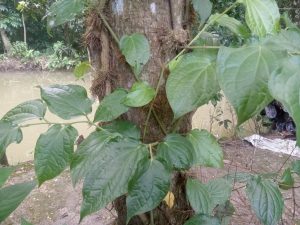
Empowering women and restoring ecosystems together. In Satkhira, Bangladesh, women are building climate resilient livelihoods through Chui Jhal (Piper Chaba) cultivation.
Through WE RISE, women are gaining
* Income for rural women
* Climate resilient livelihoods
* Restored homestead biodiversity
This women centered and nature based initiative is implemented by SESDO to support vulnerable rural communities.
When women are empowered, families become stronger and ecosystems recover.
We welcome partners, donors, and organizations to support and scale WE RISE.
Implemented by: SESDO (Social and Environmental Sustainable Development Organization)
Project Location: Khalishkhali Union, Tala Upazila, Satkhira District, Bangladesh
Project Duration: 36 months (3 years)
Target Beneficiaries
- 120 rural women (primary beneficiaries)
- 60 unemployed youth
- 300 indirect community members
(Poor, climate-vulnerable, and marginalized households)
Executive Summary
Climate change has severely affected the coastal district of Satkhira, where rising soil salinity, frequent cyclones, flooding, and declining agricultural productivity threaten livelihoods and food security. Women and unemployed youth are disproportionately affected due to limited access to climate-resilient income opportunities.
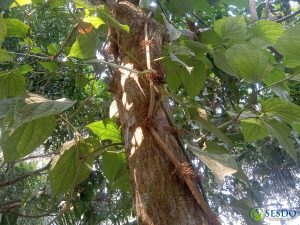
This project proposes a gender-responsive, climate-resilient livelihood model through sustainable Chui Jhal (Piper chaba) cultivation. Chui Jhal is a high-value, low-land, and climate-tolerant spice crop that can be cultivated in homesteads and saline-affected areas.
SESDO will establish a community-based Chui Jhal nursery, provide skills training and inputs, and support women-led micro-enterprises. The project integrates climate adaptation, women’s economic empowerment, youth employment, and biodiversity conservation, contributing to long-term resilience and poverty reduction in coastal Bangladesh.
Background and Context
Climate Change and Livelihood Challenges
Satkhira District lies in Bangladesh’s coastal belt and is one of the most climate-vulnerable regions in the country. Climate change impacts include:
- Increasing soil and water salinity
- Reduced productivity of traditional crops
- Frequent cyclones and tidal flooding
- Loss of income and food insecurity
Smallholder farmers, women, and land-poor households are unable to adapt using conventional agriculture, pushing many into poverty and migration.
Gender Dimensions
Rural women face:
- Limited access to land and capital
- Restricted mobility and market access
- High unpaid care burdens
- Low participation in decision-making
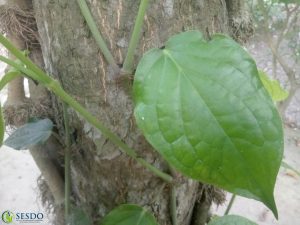
However, women play a key role in homestead-based agriculture. Chui Jhal cultivation is well-suited to women, as it requires minimal land, moderate labor, and can be managed alongside household responsibilities.
Rationale for Chui Jhal (Piper chaba) Cultivation
Chui Jhal is a traditional spice crop in southern Bangladesh with strong market demand.
Key advantages:
- Requires very small land (2–3 decimals sufficient)
- Can be grown in saline-prone environments
- High market price (BDT 500–1,600/kg)
- Nursery-based income possible within one year
- Environmentally friendly and biodiversity-supportive
- Suitable for backyard and homestead cultivation
This makes Chui Jhal an ideal climate-smart, gender-responsive livelihood option.
Project Goal and Objectives
Overall Goal
To enhance climate resilience, women’s economic empowerment, and sustainable livelihoods in coastal Satkhira through climate-smart Chui Jhal cultivation.
Specific Objectives
- Establish a community-based Chui Jhal nursery managed by women and youth
- Build technical capacity of rural women in sustainable Chui Jhal cultivation
- Create income-generating opportunities for unemployed youth
- Promote eco-friendly, climate-resilient farming practices
- Strengthen community resilience and local food systems
Expected Outcomes and Outputs
Outcome 1: Improved Livelihoods and Income Security
- At least 120 women earn sustainable income
- Average annual income increase of 40–60%
Outcome 2: Women’s Empowerment
- Women gain skills, confidence, and leadership roles
- Increased decision-making power at household level
Outcome 3: Climate Resilience
- Adoption of salt-tolerant, climate-smart farming
- Reduced dependency on climate-sensitive crops
Outputs
- 1 Chui Jhal nursery established
- 150,000 seedlings produced and distributed
- 10 training sessions conducted
- 180 beneficiaries trained
- 60 youth engaged in nursery and value-chain activities
Project Activities
Activity 1: Community Mobilization and Beneficiary Selection
- Community meetings and awareness sessions
- Selection of women-headed and climate-affected households
Activity 2: Establishment of Chui Jhal Nursery
- Site preparation and infrastructure development
- Seed collection and propagation
- Nursery management systems
Activity 3: Capacity Building and Training
- Sustainable cultivation techniques
- Nursery management and pest control
- Gender awareness and leadership training
- Financial literacy and record keeping
Activity 4: Seedling Distribution and Plantation Support
- Distribution of seedlings to beneficiaries
- Technical follow-up and mentoring
- Demonstration plots
Activity 5: Youth Engagement and Employment
- Nursery labor and maintenance
- Marketing and transport support
- Entrepreneurship training
Activity 6: Market Linkage and Value Chain Development
- Linking producers to local markets and traders
- Branding and packaging support (future scale-up)
Activity 7: Monitoring, Evaluation, and Learning
- Baseline and end-line surveys
- Regular progress monitoring
- Documentation and knowledge sharing
Implementation Strategy
- Community-led approach
- Women-first targeting
- Youth engagement
- Low-cost, scalable model
- Partnership with local stakeholders
SESDO will manage implementation with technical guidance from local agricultural experts and community leaders.
Sustainability Strategy
- Nursery income ensures financial sustainability
- Skills remain within the community
- Women-led groups manage nurseries long-term
- Reinvestment from seedling sales
- Potential for expansion to neighboring unions
Monitoring and Evaluation Framework
| Indicator | Means of Verification |
| Number of women trained | Training records |
| Seedlings produced | Nursery logs |
| Income increase | Household surveys |
| Survival rate of plants | Field monitoring |
| Youth employed | Employment records |
Risk Analysis and Mitigation
| Risk | Mitigation |
| Extreme weather events | Raised nursery beds, backup seedlings |
| Market price fluctuation | Diversified buyers |
| Low participation | Continuous engagement and incentives |
| Pest/disease | Organic management training |
Alignment with SDGs
- SDG 1: No Poverty
- SDG 2: Zero Hunger
- SDG 5: Gender Equality
- SDG 8: Decent Work and Economic Growth
- SDG 13: Climate Action
- SDG 15: Life on Land
Conclusion
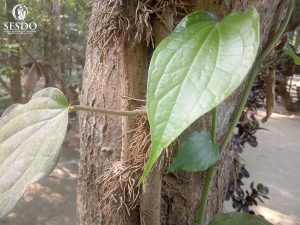
This project presents a practical, scalable, and community-driven solution to climate-induced livelihood challenges in coastal Bangladesh. By empowering women and youth through sustainable Chui Jhal cultivation, SESDO aims to strengthen resilience, reduce poverty, and promote inclusive climate adaptation.