Title:
Mangroves4Life: Community-Based Mangrove Restoration for Coastal Protection in the Sundarbans Region of Bangladesh
Summary:
The Sundarbans, is registered as a UNESCO World Heritage Site and a Ramsar Convention site. It is a place rich in natural environment with approximately 600,000 hectares of mangrove forests and wetlands, particularly Pasvemari village in Gabura Union, Shyamnagar Upazila, Satkhira District, is one of the most climate-vulnerable coastal regions in Bangladesh. Frequent cyclones, flooding, extreme climate threats, rising sea levels, and saltwater intrusion threaten Sundarbans ecosystem, livelihoods, biodiversity, youth employment and public health.
The “Mangroves4Life: Community-Based Mangrove Restoration for Coastal Protection in the Sundarbans Region of Bangladesh” project that empowers youth and women in Gabura Union to combat climate change and protect the Sundarban ecosystem through mangrove restoration. This Community-Based initiative will empower women to drive long-term sustainability, enhance climate resilience, safeguard biodiversity, and create a community-driven model for grassroots climate action in the Sundarban.
Specific objectives of the project:
- To create mangrove buffer zones that enhance coastal protection (20 hectares by 2030).
- To safeguard biodiversity from climate-induced
- To engage local communities in mangrove restoration (5 women-led mangrove nurseries).
- To promote sustainable livelihoods and alternative income opportunities (100 households).
- To empower youth and women as leaders in CBEMR and climate
Goal:
The long-term goal of the project is to protect the coastal communities and biodiversity conservation from the natural disasters and increase the mangrove coverage through planting and regenerating 100000 mangrove together with local people in the Sundarbans region in terms of climate change adaptation and mitigation. Mangroves around the project site were once abundant but are now under threat from climate change and human activities. This project addresses urgent climate threats while creating a new generation of environmental leaders. By restoring natural coastal defenses, we protect biodiversity, support sustainable livelihoods, and strengthen the resilience of frontline communities.
Activities:
- Train 100 participants (especially women, youth, girls, and indigenous people) in CBEMR method and biodiversity conservation.
- Deploy youth-led teams to protect the Sundarban ecosystems and sustainable use of natural resources.
- Improving livelihoods through the promotion of kitchen gardens, organic vegetable farming, livestock, and sustainable agricultural practices.
- Conducting community-participation mangrove planting and environmental education mainly in the Sundarban coastal basin.
Outcome:
- Each member of the youth group will gain a deeper understanding of the local natural environment, mangrove ecosystem systems, biodiversity, and the importance of environmental conservation.
- Increased alternative income and reduced dependency on mangrove ecosystems
- Degraded mangrove restoration and increased community awareness of mangrove conservation
- Elevated youth leadership and skills training in youth entrepreneurship
Site:
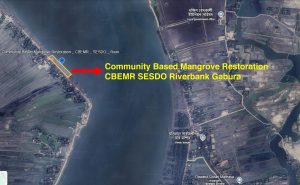
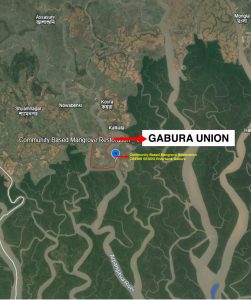
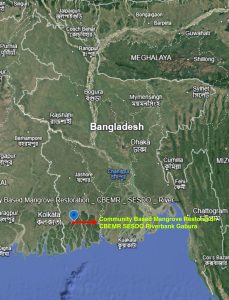
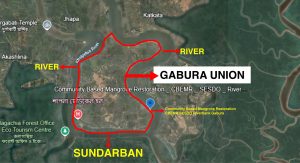
Village: Pasvemari, Union: Gabura, Upazila: Shyamnagar, District: Satkhira.
Target Communities:
Women, youth, girls, indigenous people, person with disabilities and marginalized groups in disaster-prone coastal villages, particularly those communities affected by frequent cyclones and environmental degradation. Especially Local farmers, and fishers.
SDGs:
1, 2, 4, 5, 6, 8, 13, 14, 15, 17
Project type:
Community/field-based implementation
Landscape type:
Landscape, Seascape
Model:
CBEMR
Organization:
SESDO (Social and Environmental Sustainable Development Organization)
Project Duration:
2025 to 2030
Partnership and stakeholders:
The Mangroves4Life initiative will be implemented through collaboration with coastal community members, community organizations, youth and women’s groups, indigenous groups, local government (Gabura Union Parishad), Department of Environment (DoE), Department of Forest (DoF), Department of Agricultural Extension (DAE), schools and NGOs.
Sustainability:
Planted mangroves will prevent unwanted migration of coastal people by reducing river bank erosion and protect the community from other natural calamities. So, these mangroves will have social impacts as well as environmental impacts. These mangroves will contribute to reduce the poverty of the coastal people. Once the community will get benefit from it, they will conserve
those mangroves for their own betterment.
- Cooperative-based ownership of enterprises
- Capacity building for long-term self-reliance
- Integration with government and donor programs
Long-Term Impact:
- Youth & Community Empowerment: Continuous environmental
- Integration with Local Institutions: Ensures long-term
- Sustainable Livelihoods: Promotes alternative income
- Ongoing Environmental Practices: Maintained by
- Financial Sustainability: Potential eco-tourism, product
- Policy Advocacy: Supports institutional change.
Technical Records
Site Information
(Plot-1)
- GPS Coordinates: 22°14’03″N 89°18’19″E
- Site Size (ha): 54 ha
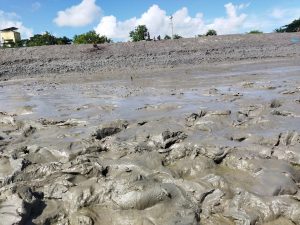
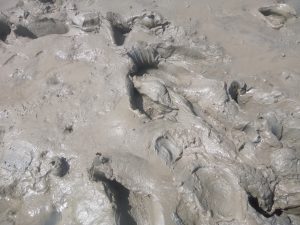
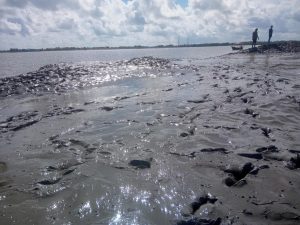
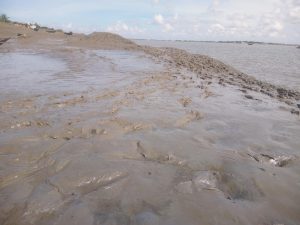
- Type of Land: River char, degraded mangrove, and embankment area
- Previous Land Use: Mangrove Forest
- Tidal & Salinity Conditions: Tidal zone is low to mid & salinity conditions are suitable for mangrove growth.
Planting Activities
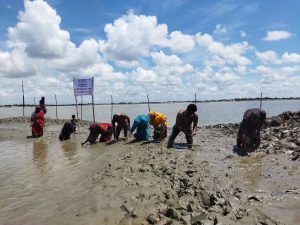
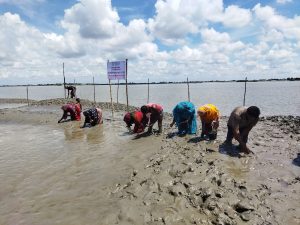
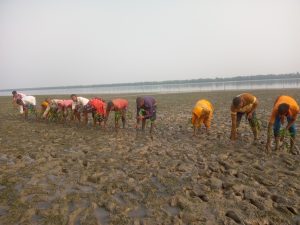
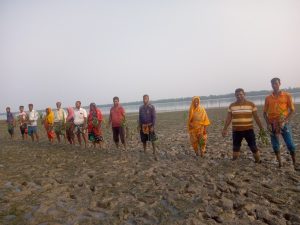
- Planting Date: 15 August 2025
- Method: ANR (CBEMR)
- Species: 6 local mangrove species
- Total seeds planted: 2700
- Planting Layout: Cluster & gap filling
- Community Participants: 30 Participants (20 women, 5 youth, 2 girls & 3 Indigenous)
Site Information
(Plot-2)
- GPS Coordinates: 22°13’18″N 89°16’38″E
- Site Size (ha): 75 ha
- Type of Land: River char, degraded mangrove, and embankment area
- Previous Land Use: Degraded coastal land
- Tidal & Salinity Conditions: Low to mid-tidal zone with suitable salinity for mangrove growth
Planting Activities
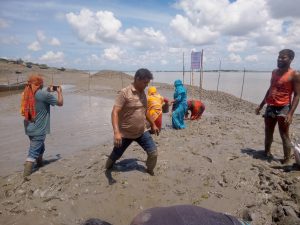
- Planting Date: 21 September 2025
- Method: NR (CBEMR)
- Species: 7 local mangrove species
- Total seeds planted: 300
- Planting Layout: Gap filling
- Community Participants: 30 Participants (20 women, 5 youth, 3 girls & 2 Indigenous)
Progress Report
Mangroves4Life: Success Begins!
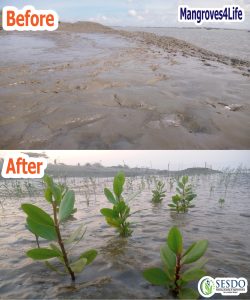
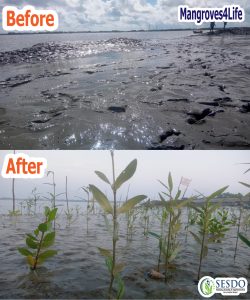
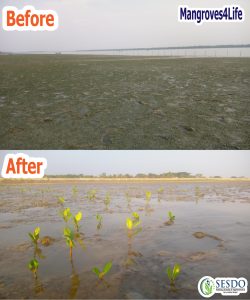
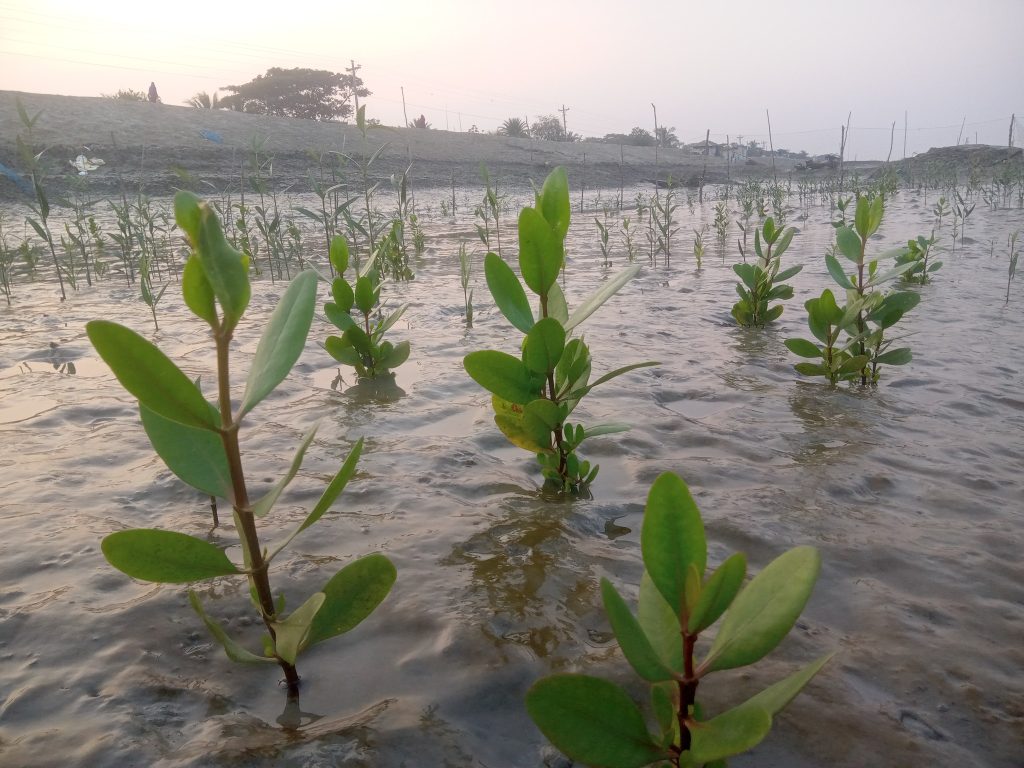
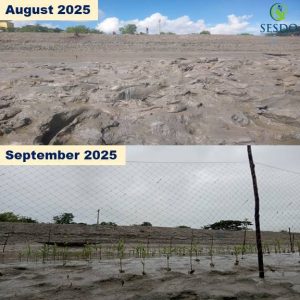
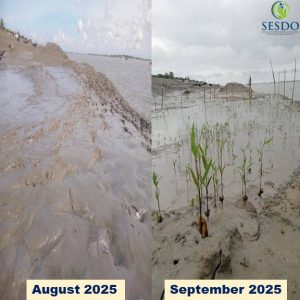
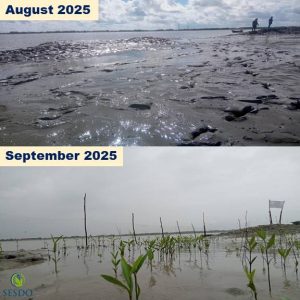
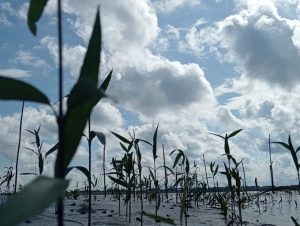
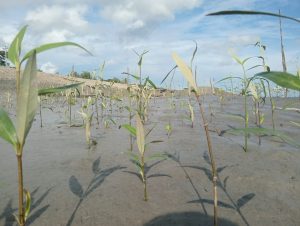
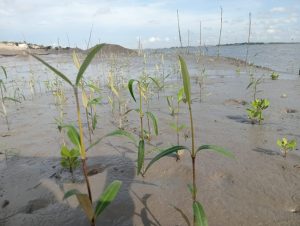
Our “Mangroves4Life: Community-Based Mangrove Restoration for Coastal Protection in the Sundarbans Region of Bangladesh” project is making remarkable progress in Gabura Union, Bangladesh. We restore mangroves that protect and sustain our coastal communities and ecosystems. This transformation has happened in just two month. We have restored 1.29 hectares of degraded mangroves with the dedication of 30 committed community members. These achievements were made possible by the incredible support of our coastal communities.
This is more than a project— it’s our heart, dedication, and commitment.
From women to youth, everyone is coming together with one voice: “Mangrove Restoration!” We are seeking support, partnerships, and opportunities to expand this initiative and create an even greater impact.
Measurable Outcomes:
- 5 women-led nurseries producing 100,000 mangrove saplings (10 native species)
- 20 ha of degraded mangrove restored, creating a natural buffer against climate disasters
- 100 women and youth trained in CBEMR, biodiversity conservation, and eco-leadership
- 100 families supported with climate-resilient livelihoods (kitchen gardens, poultry, small livestock)
- 25 school programs engaging 500 students in climate & environmental education
- Community-led monitoring ensures highest survival rate and adaptive management
Climate & Resilience Impact:
- 3,000 tCO₂ sequestered by 2030 (30 t/ha/year × 20 ha)
- Natural buffer zones protect against cyclones, flooding & saltwater intrusion
- Long-term livelihoods reduce dependence on forest exploitation
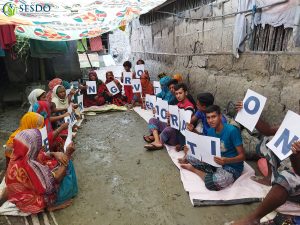
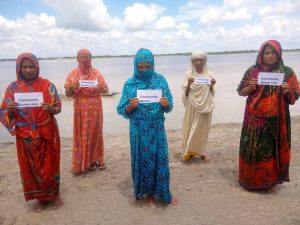
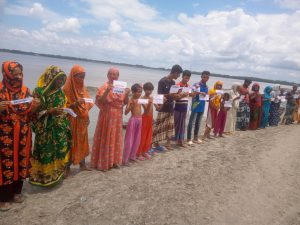
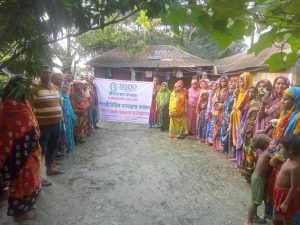
Community Involvement in Mangrove Restoration:
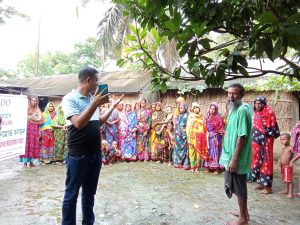
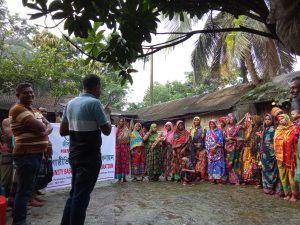
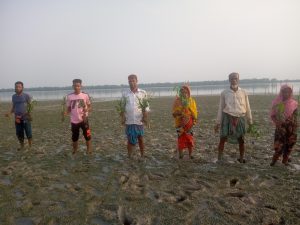
- Engage and connect with the local community to build trust.
- Inspire participation by raising awareness of the importance of mangroves.
- Identify motivated members who are eager to contribute.
- Jointly design action plans with local people to ensure ownership and sustainability.
Community Engagement: Community Based, Community Involvement, Community Leadership, Community Stewardship, Community Ownership.
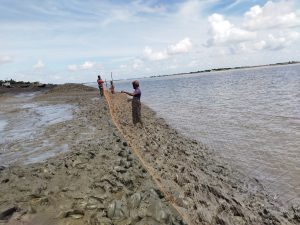
Site Assessment:
Site Selection:
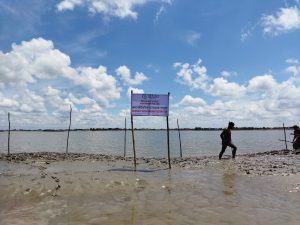
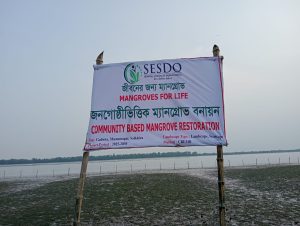
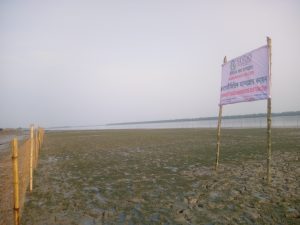
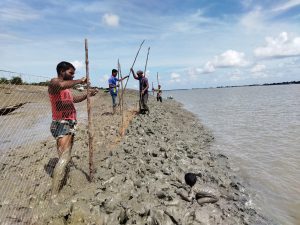
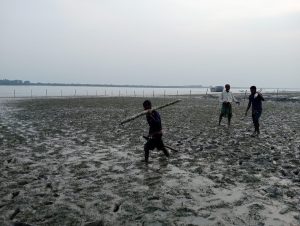
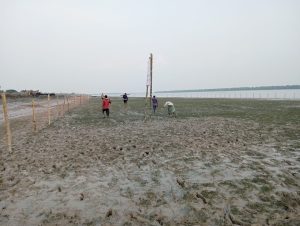
Fencing the Site
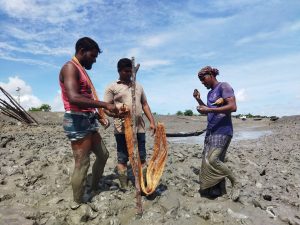
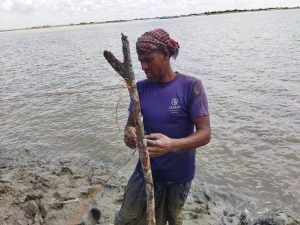
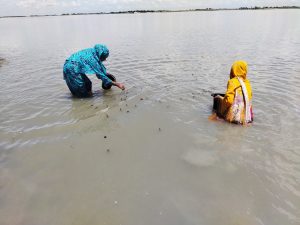
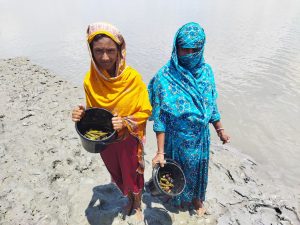
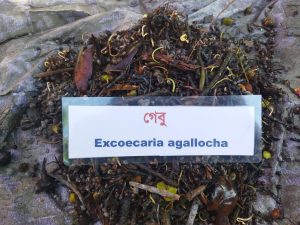
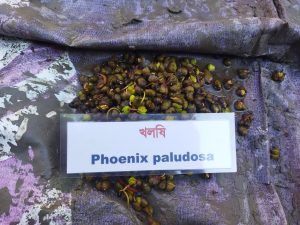
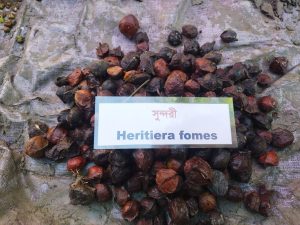
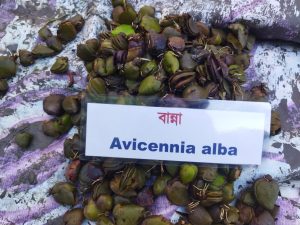
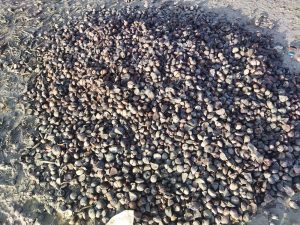
Seed Collection
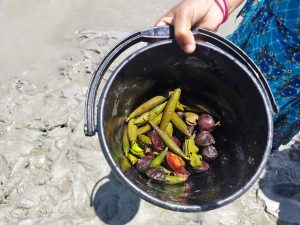
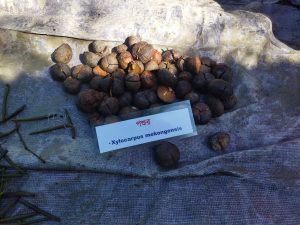
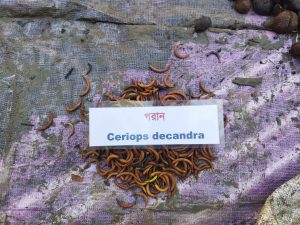
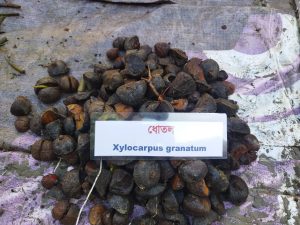
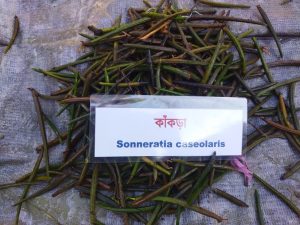
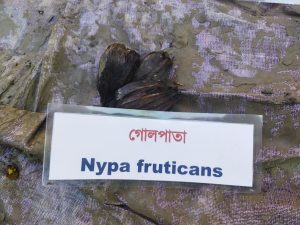
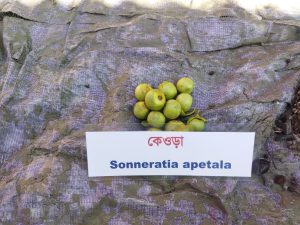
Native Mangrove Species
Planting Activities
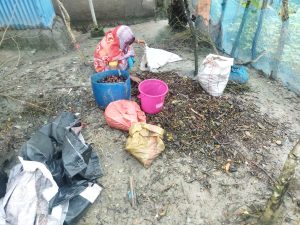
Community Using Seeds as Fuel
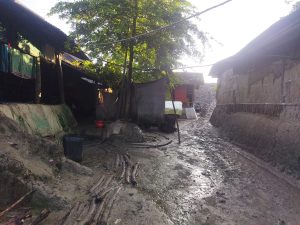
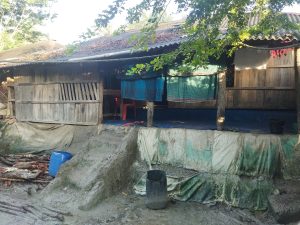
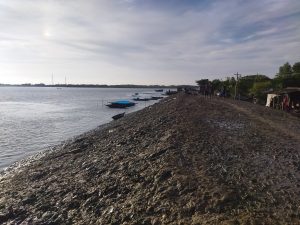
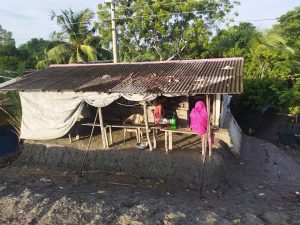
Coastal Village Overview
GPS Point of Restoration Site
Before VS After
October
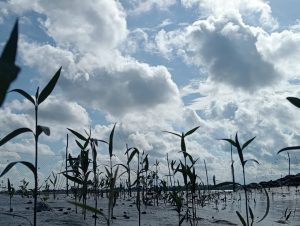
December